Author: Methena / Release Time: 2026-11-27 / Pageviews:
Making corn grits starts before the maize reaches the mill. Raw grain preparation affects how well the kernels peel, and the milling setting and screens determine the texture of the finished product. The best way to evaluate a machine is to run a representative batch and check the grain at each stage.
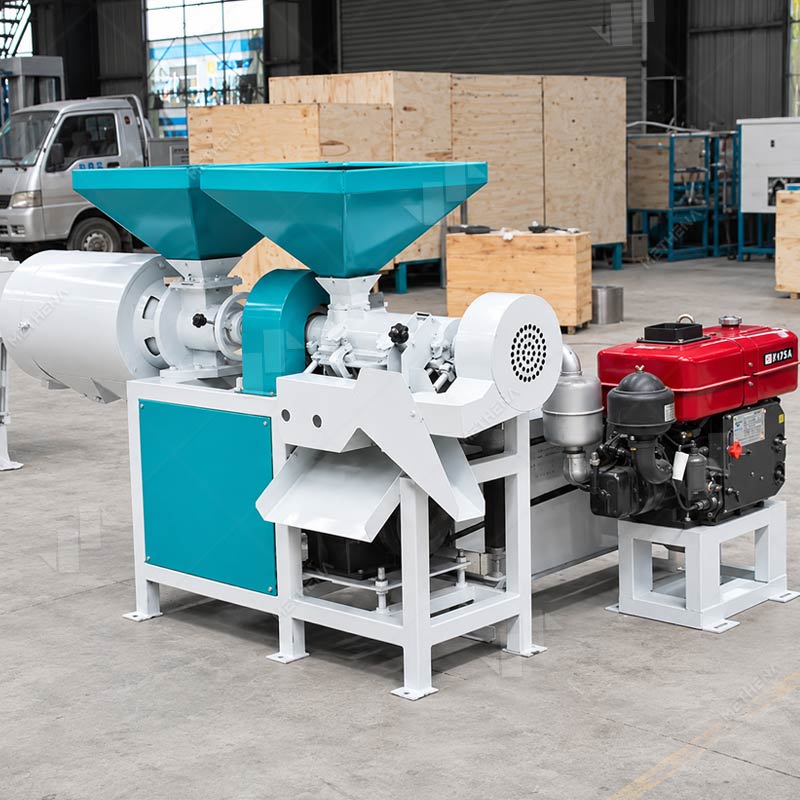
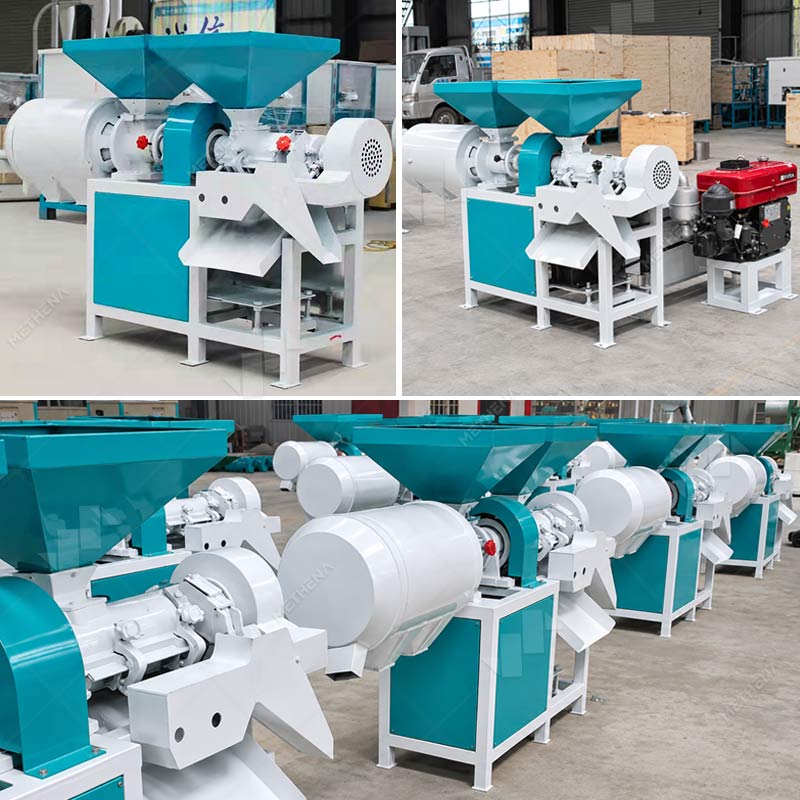
Start with shelled maize. Remove stones, sand, pieces of cob, and other foreign material before the kernels enter the peeling section. Inspect the cleaned grain before adding water. If impurities are still visible, finish cleaning the batch before moving on.
When requesting a machine quote, specify whether your maize arrives pre-cleaned. This helps determine whether you also need a separate grain cleaning step.
In the process video, the operator adds a small amount of water to the cleaned maize and mixes it through the batch. This step, often called conditioning or tempering, helps prepare the outer skin for peeling. Even mixing matters because kernels from different parts of the batch should enter the peeler in a similar condition.
The water needed and the conditioning time depend on the starting moisture and condition of the maize. When testing your own grain, record whether it is freshly harvested or dried and check the peeling result on a small sample. If your site requires dry peeling, confirm the machine setup for that process before ordering.
Pressure and friction loosen the outer skin. The machine discharges the peeled kernels and separated husks at different outlets. After the first pass, inspect a handful of kernels for visible skin, dark specks, and broken pieces.
The video demonstrates two light peeling passes. A second pass can be useful when the first leaves more skin than your finished grade allows. Use the sample to decide whether to adjust the peeling pressure or run another light pass. If your maize routinely needs two passes, include both in your production trial.
Transfer the peeled kernels to the milling hopper. The adjustment handwheel changes the milling gap, which affects how coarse or fine the particles are. Run a small quantity after adjusting the setting, then compare the output with your reference sample or particle-size specification.
Terms such as coarse, medium, and fine can mean different things to different buyers. A sample, a particle-size range, or a screen opening gives the supplier a clearer target. Once you find a setting that delivers the right size, record it so the operator can return to it for a similar batch.
After milling, the ground corn feeds into the screening section. The video shows coarse grits, fine grits, and corn flour leaving through separate outlets. The milling adjustment affects the particles produced, while the screens determine how those particles are sorted into grades.
For a useful trial, collect and weigh each grade separately. If your main product is coarse grits, measure how much coarse grits you collect in an hour. That figure tells you more about your saleable output than the total weight discharged across all outlets.
| What to check | What to give the supplier |
|---|---|
| Raw maize and preparation | A representative grain sample, its moisture content if known, and whether you plan to peel it dry or after conditioning. |
| Finished grade | A sample or particle-size specification for the grits or flour you intend to sell. |
| Throughput by grade | Your required kilograms per hour for the main finished grade. Include any repeat peeling passes when assessing the full process. |
| Site and machine configuration | Your voltage, frequency, and phase, along with any requirements for dust collection, spare screens, and parts that contact the grain. |
Once you have your grain sample, target grade, and hourly output requirement, visit the Corn Grits Milling Machine product page to compare Methena models and request a configuration for your site.