Author: Methena / Release Time: 2025-12-19 / Pageviews:
Silky and mellow milk chocolate is an irreplaceable comfort in many people's hearts. However, with more and more people paying attention to the daily doping intake, a common question arises: Does milk chocolate contain caffeine? In fact, although caffeine is often associated with coffee, it is one of the natural ingredients of cocoa beans. Whether you are a consumer who requires a healthy diet or a chocolate maker who uses professional automatic chocolate tempering machine to develop new products, it is very important to know the caffeine content in chocolate for maintaining health and controlling quality.
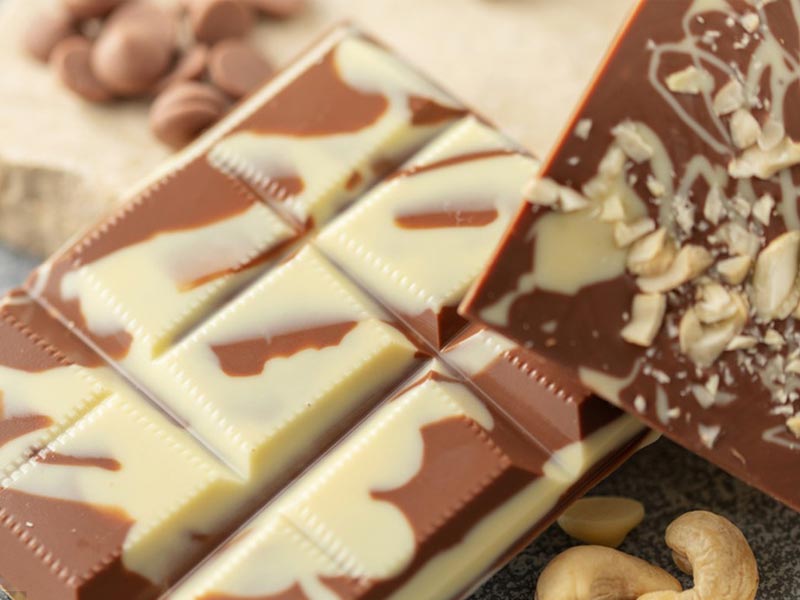
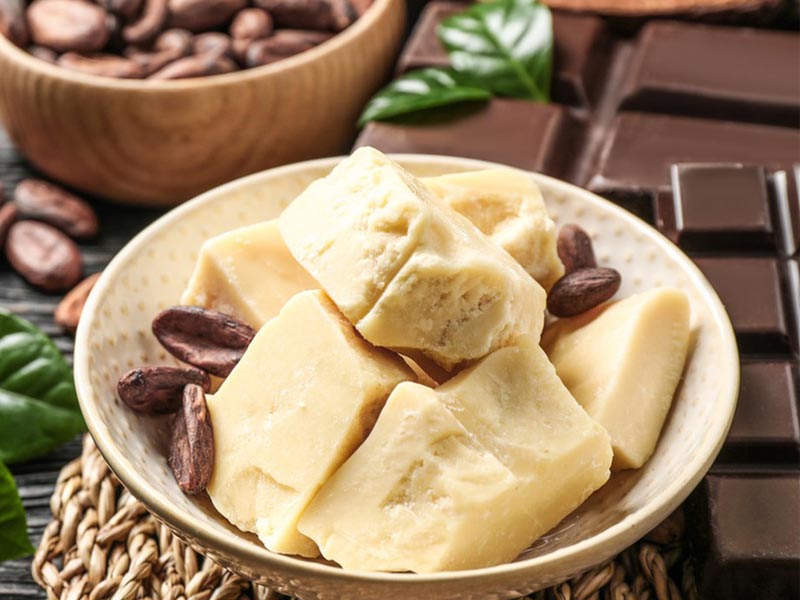
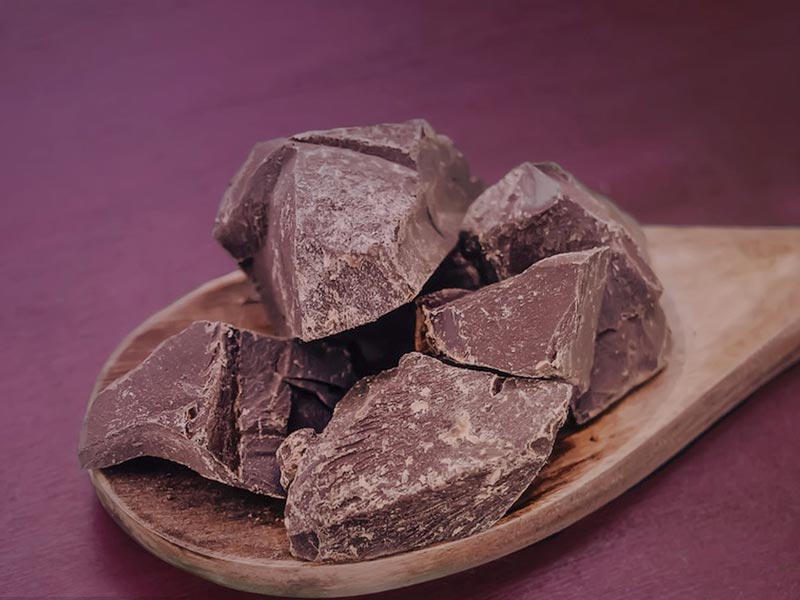
Caffeine naturally exists in the seeds of cocoa trees. Specifically, it exists in the non-fat part of cocoa beans-cocoa solids. After processing, cocoa beans are separated into cocoa butter (fat) and cocoa solids.
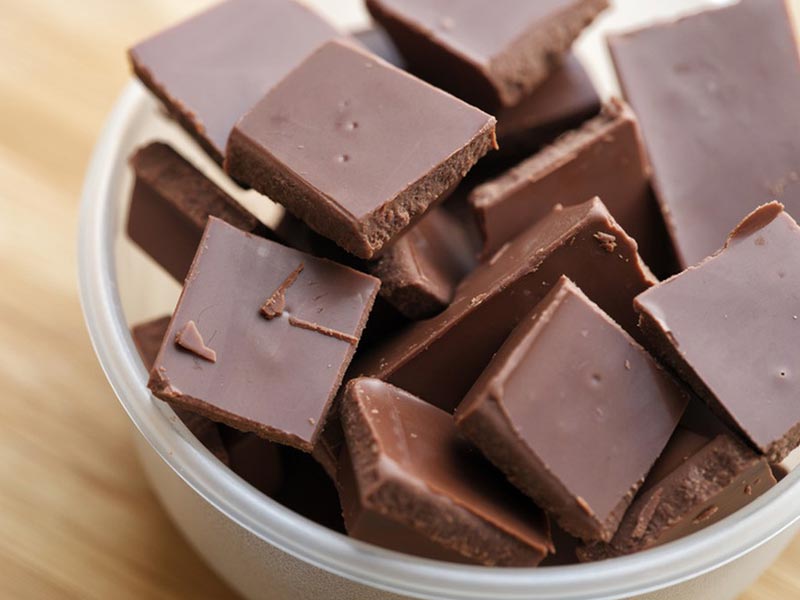
Milk chocolate contains a lower concentration of cocoa solids compared to dark chocolate because it has a higher proportion of sugar and milk powder. This means that while milk chocolate does contain caffeine, its levels are significantly lower than those found in dark chocolate or a standard cup of coffee.
To put things into perspective, let's look at how much caffeine is typically found in various products:
| Product Type | Average Caffeine Content (per 100g) |
| Brewed Coffee | 40–95 mg (per cup) |
| Dark Chocolate (70-85% cocoa) | 80 mg |
| Milk Chocolate | 20 mg |
| White Chocolate | 0 mg (contains only cocoa butter) |
From a manufacturing standpoint, the presence of caffeine is a marker of the "cocoa mass" intensity. For chocolate makers utilizing an automatic chocolate tempering machine, maintaining the specific ratio of cocoa solids, fats, and sweeteners is the key to achieving the perfect "snap" and gloss.
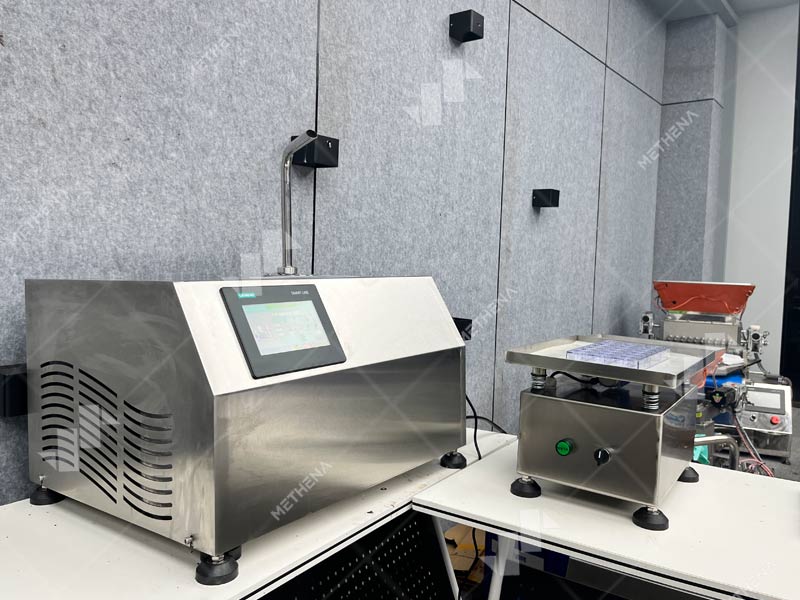
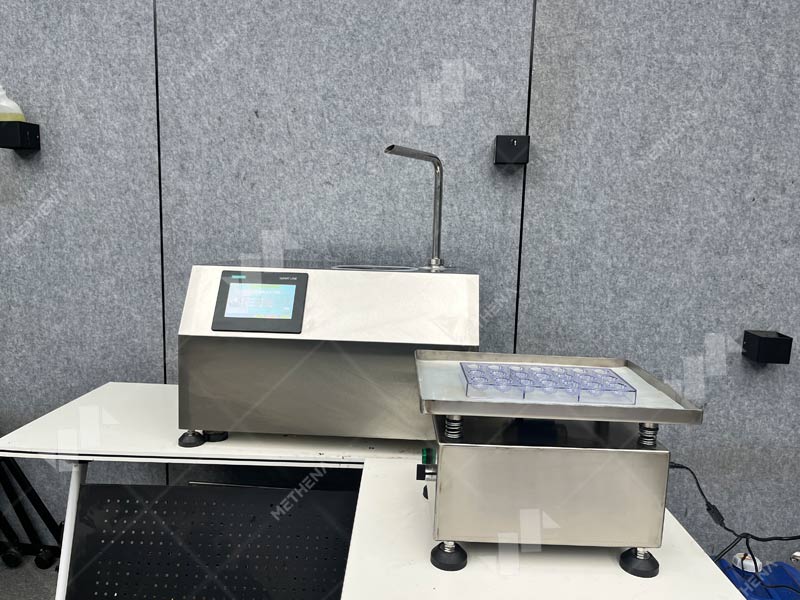
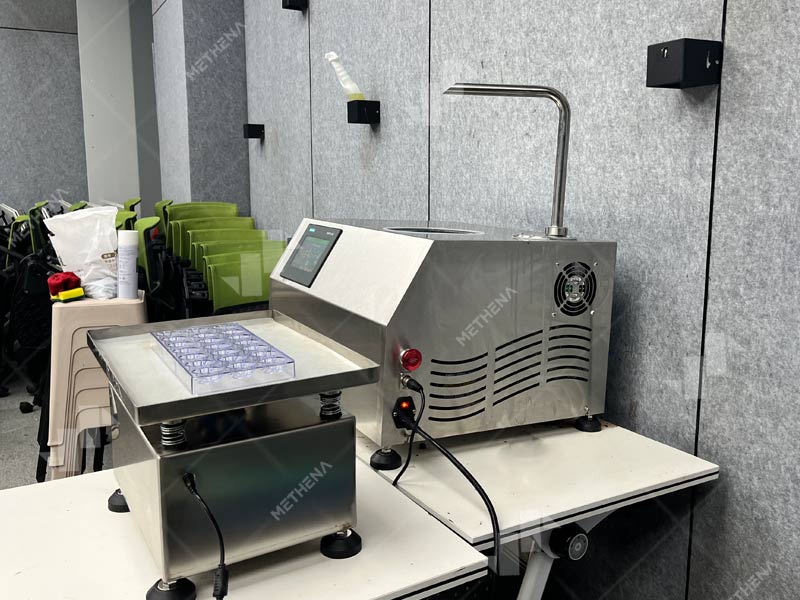
If your production line is focused on high-quality milk chocolate, the tempering process must be handled with extreme precision. Because milk chocolate contains milk proteins and fats, it is more temperature-sensitive than dark chocolate. Using high-end commercial chocolate tempering equipment ensures that despite the complex chemical makeup of the chocolate—including those stimulating alkaloids—the final product remains stable, shelf-ready, and delicious.
Not all milk chocolates are created equal. Several factors can influence the final caffeine count, which also dictates how you should calibrate your food machinery:
The Percentage of Cocoa Solids
The most straightforward rule is: the darker the chocolate, the more caffeine. However, "Dark-Milk" hybrids are becoming popular. These products require more robust processing, as the higher solid content changes the viscosity of the liquid chocolate.
The Origin of the Cacao Bean
Similar to coffee beans, cocoa beans from different origins—such as those from West Africa and South America—contain varying levels of naturally occurring caffeine. Large-scale producers must account for these regional differences when sourcing raw materials to ensure consistent quality across batches.
The Refinement Process
During refining and tempering processes, cocoa solids are further broken down into finer particles. Automated chocolate tempering machines help stabilize the crystalline structure around these particles, ensuring that caffeine and another natural stimulant in cocoa—theobromine—are evenly distributed throughout the chocolate bar.
Is there enough caffeine in milk chocolate to keep me awake?
For most people, the answer is no. A standard serving of milk chocolate contains about as much caffeine as a cup of decaf coffee. However, if you are extremely sensitive to stimulants, it is best to avoid it right before bed.
Does white chocolate have caffeine?
Technically, no. White chocolate is made from cocoa butter, sugar, and milk solids. Since caffeine is only found in the cocoa solids (the brown part of the bean), pure white chocolate is caffeine-free.
How does tempering affect the shelf life of milk chocolate?
Tempering creates Stable Type V crystals. Without proper tempering—facilitated by high-quality commercial chocolate tempering equipment—the chocolate will develop "bloom" (white streaks) and lose its texture, though its caffeine content remains unchanged.
Although milk chocolate contains a small amount of caffeine, it is always a favorite classic delicacy. However, in order to make excellent quality candy, it is necessary to strike a balance between natural stimulating ingredients and excellent flavor. Whether you run a handmade boutique or a large-scale production factory, it is very important to invest in an automatic chocolate tempering machine-it can ensure the ideal luster and consistent texture of chocolate. If you want to improve the level of the production line and obtain professional production results, welcome to know our advanced commercial chocolate temperature control equipment designed for production lines of different scales.
Tel:+86 19013926248
Email:sales@methenamachinery.com
Whatsapp:+86 19013926248
Website:https://methenamachinery.com