Author: Methena / Release Time: 2026-01-09 / Pageviews:
Our high-performance yogurt production line provides an all-in-one dairy processing line for yogurt, engineered to deliver exceptional product consistency and food safety. By integrating a state-of-the-art yogurt making machine with specialized yogurt production line equipment, we offer a scalable solution that transforms raw milk into premium-quality yogurt for the global market.
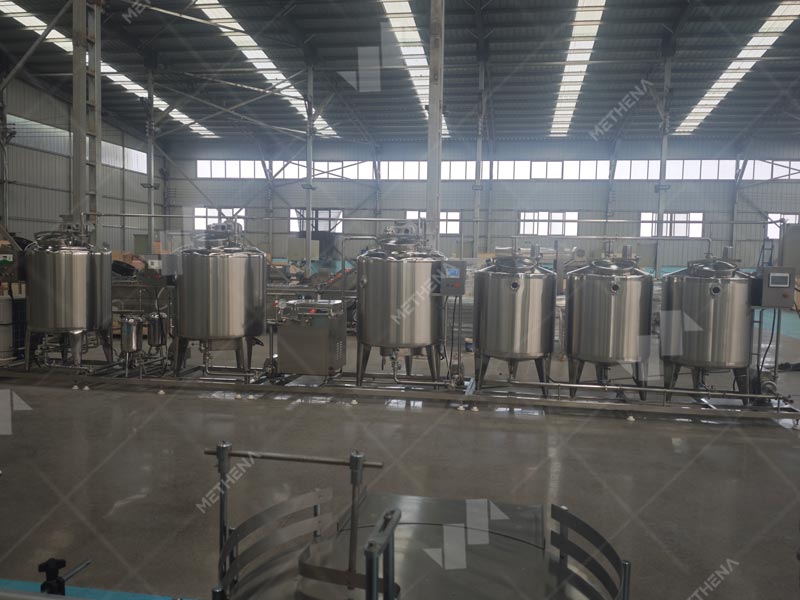
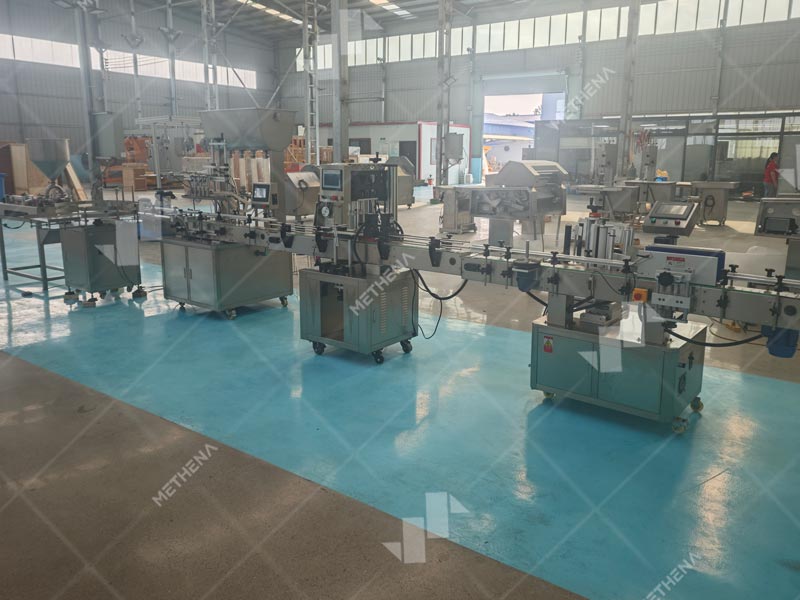
1. What Is the Process of a Yogurt Production Line?
This fully automated yogurt production line integrates the entire process from raw milk pretreatment to final packaging; it ensures product safety and quality through cold storage, precision filtration, and pre-heating, followed by high-pressure homogenization and rigorous pasteurization, concluding with constant-temperature fermentation and aseptic filling to provide a highly automated, hygienic, and stable solution for large-scale production.
2. Which Industries Is This Yogurt Production Line Suitable For?
This versatile yogurt production line is primarily designed for dairy processing plants and large-scale food and beverage enterprises; however, through customized configurations, it is also ideally suited for central kitchens, institutional catering centers (such as schools or hospitals), and medium-to-large dairy farms, providing high-standard solutions for value-added raw milk processing across the retail, food service, and industrial ingredient sectors.
3. What Principle Does a Pasteurizer Work On?
The pasteurizer operates on the principle of thermal lethality, which involves heating the product to a specific moderate temperature (typically 62°C–90°C) and holding it for a set duration to effectively eliminate pathogenic and spoilage bacteria while maximizing the preservation of original nutrients, flavor, and color.
In industrial applications, it usually incorporates heat exchange technology to achieve precise heating and immediate cooling, serving as the core equipment for ensuring both food safety and the fresh taste of dairy products like yogurt and fresh milk.
4. What Is the Production Capacity of the Yogurt Production Line?
The output of the line is flexible and tailored to your operational needs, varying significantly based on the chosen model and level of automation. Whether you require a cost-effective, entry-level setup with manual controls or a state-of-the-art, turnkey production line capable of continuous 24/7 operation, our systems are engineered to grow alongside your business demands.
5. What Types of Raw Materials Can the Production Line Handle?
Designed with advanced standardization capabilities, this line seamlessly handles various milk types—from full-cream whole milk to skimmed or fat-free varieties. The system’s precision sensors and homogenization units ensure that regardless of the raw material’s fat content, the final yogurt maintains a stable viscosity and a uniform, creamy mouthfeel.
6. What Is the Difference Between Uht and Pasteurization Line?
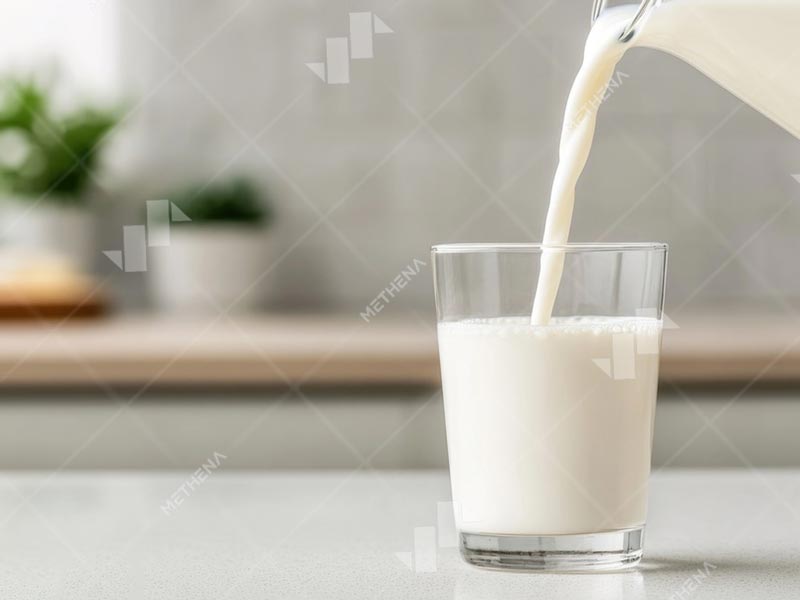
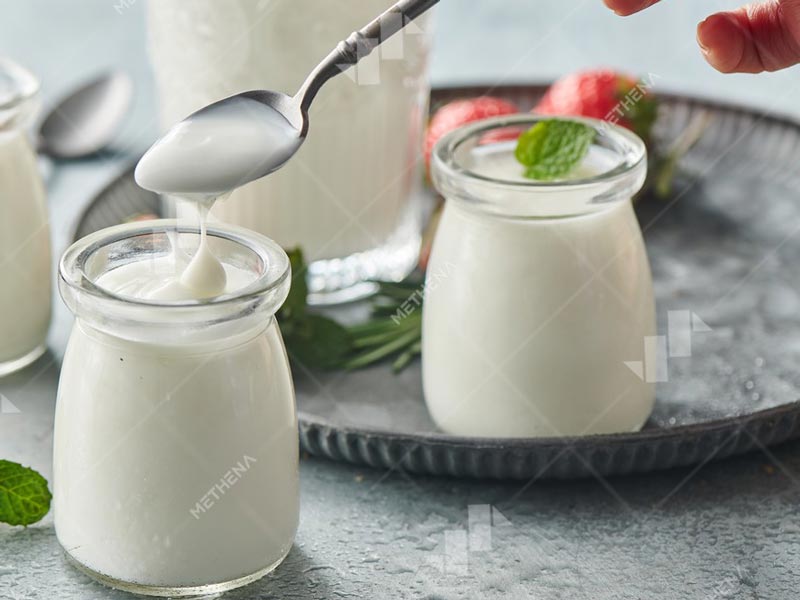
The main difference lies in the temperature-time combination and the resulting shelf life: a Pasteurization line treats milk at a lower temperature (typically 72°C–85°C for 15–30 seconds) to kill pathogens while requiring refrigerated storage for a short period, whereas a UHT (Ultra-High Temperature) line heats milk to 135°C–150°C for only a few seconds to achieve commercial sterility, allowing the product to be stored at room temperature for several months when combined with aseptic packaging
7. How to ensure hygiene in a dairy plant?
To ensure maximum hygiene in a dairy plant, it is essential to implement a CIP (Cleaning-in-Place) system, which automatically circulates cleaning agents through the pipes and tanks without disassembly, while strictly adhering to SSOP (Sanitation Standard Operating Procedures) and maintaining a sterile environment through frequent microbiological testing.
Key Strategies for Hygiene Management:
✔ CIP System Integration: Uses a multi-stage cycle (pre-rinse, caustic wash, acid wash, and final sanitize) to remove milk stones and bacteria.
✔ Hygienic Equipment Design: All machinery should be made of 316L stainless steel with smooth, crevice-free welds to prevent "dead zones" where bacteria can grow.
✔ Strict Zoning: Dividing the plant into High-Care (filling) and Low-Care (raw milk reception) areas to prevent cross-contamination.
✔ Air Filtration: Using HEPA-filtered air in filling rooms to maintain a positive pressure environment that keeps dust and microbes out.
8. What Shall We Do if Breakdown Occurs?
▷ Power Off: Immediately cut off the power if a breakdown occurs to ensure safety and prevent further damage.
▷ Report Fault: Promptly describe the failure and provide photos or videos to our after-sales support team.
▷ Technical Guidance: Our engineers will analyze the cause and provide step-by-step instructions to solve the problem.
▷ On-site Repair: We will dispatch professional technicians for on-site repairs if the issue cannot be resolved independently.
▷ Quality Warranty: Free parts or replacements are provided for non-human mechanical failures within the first three months.